If you’re evaluating office space in DFW, one of your first decisions is whether to sign a traditional lease with a custom build-out or move into a pre-built spec suite. Each path comes with a different timeline, cost structure, and level of flexibility.

Spec Suites vs. Traditional Office Leases in DFW: Which Path Fits Your Company?

HALL Park’s leasing team can walk you through both models and help you find the right fit. Contact the team directly to schedule a tour.
If you’re evaluating office space in DFW, one of your first decisions is whether to sign a traditional lease with a custom build-out or move into a pre-built spec suite. Each path comes with a different timeline, cost structure, and level of flexibility.
The short answer: A spec suite gets your team into a finished office within weeks and shifts most construction costs to the landlord. A traditional lease gives you full design control in exchange for five to twelve months of lead time and a larger upfront investment. For companies under 10,000 square feet with standard office needs, a spec suite is usually the faster, more predictable choice.
Below, we break down where the two options differ on the factors that matter most to corporate tenants. HALL Park, a 162-acre mixed-use campus in Frisco, TX along the Dallas North Tollway, offers both paths, giving tenants a clear look at what each one delivers.
Key Takeaways: DFW Spec Suites vs. Traditional Office Leases
- Spec suites are pre-built, move-in-ready offices that let you skip design, permitting, and construction entirely.
- Traditional leases with custom build-outs give you full control over layout and finishes but require five to twelve months of lead time.
- Build-out costs in Dallas-Fort Worth can range from $75 to more than $200 per square foot, depending on scope and finishes.
- HALL Park offers both move-in-ready spec suites and custom build-outs through its HALL Select Design Center, so you can match the option to your timeline.
- Spec suites are a strong fit for tenants under 10,000 square feet, especially as DFW leasing demand concentrates in trophy and Class A buildings.
What Is a Spec Suite in Commercial Real Estate?
A spec suite, short for speculative suite, is an office space the landlord designs and builds out before a tenant signs. It comes with finished walls, flooring, lighting, private offices, conference rooms, and break areas, all ready for immediate occupancy.
Think of it as the commercial real estate version of a model apartment. The landlord invests in construction up front and recoups that cost through the lease. You bring the furniture, IT equipment, and your team.
Spec suites typically range from 1,500 to 10,000 square feet, which makes them a strong fit for small and mid-sized companies that need to be up and running quickly without managing a construction project.
How Does a Traditional Office Lease Work in DFW?
A traditional lease in Dallas-Fort Worth starts with raw or lightly finished space. Traditionally, you negotiate a tenant improvement (TI) allowance with the landlord, hire an architect and general contractor, and manage design and construction from start to finish.
The process follows a set sequence: space planning, design review, permitting, construction, and a final punch list. In North Texas, that timeline runs five to twelve months depending on complexity. Larger spaces, specialized infrastructure, and unique design requirements push it toward the longer end.
The payoff is a fully customized office built around your brand, workflow, and headcount. If your company has specific operational needs or growth plans that call for a particular layout, a traditional build-out may be the right investment.
Where Do Spec Suites and Traditional Leases Differ?
Timeline from Lease Signing to Move-In
This is where the gap is widest. You can occupy a spec suite within weeks of signing. A traditional build-out in DFW takes months of planning, permitting, and construction before your team sets foot in the space.
If you’re facing an expiring lease, entering a new market, or expanding quickly, that difference hits revenue and productivity directly. Every month spent waiting for a build-out to finish is a month your team works from temporary quarters or a space it has outgrown.
Upfront Capital Requirements
With a traditional build-out, you fund or finance any construction costs the TI allowance doesn’t cover. In today’s DFW market, finishes, permitting, and general contractor fees add up quickly, and totals often exceed initial estimates.
Spec suites shift most of that capital burden to the landlord. The construction cost is typically built into the rental rate, so you avoid a large upfront outlay. The trade-off is a modestly higher rate per square foot, but many tenants prefer that predictability over a variable construction budget.
Customization and Design Control
A traditional lease gives you complete control over your layout, from ceiling heights and flooring materials to the number and placement of private offices. If your company needs a purpose-built environment for its brand or workflow, this path delivers it.
Spec suites offer less room for personalization because the space is already finished. That said, well-designed spec suites in Class A buildings use flexible, professional layouts that work for a wide range of business needs. Some landlords also set aside a small TI allowance for minor modifications.
Lease Term Flexibility
Because the landlord has already covered construction, spec suites may come with shorter lease terms. That flexibility helps if you’re testing a new market, scaling a satellite office, or working in an industry where headcount projections shift often.
Traditional leases in DFW typically require longer commitments, often five to ten years, to justify the build-out. The TI allowance works like an amortized loan, so the landlord needs enough term to recoup it.
Why Spec Suites Are Gaining Ground in Dallas-Fort Worth
The DFW office market is in the middle of a clear flight to quality. According to CBRE’s 2026 Americas Office Occupier Sentiment Survey, 89% of employers now require at least three days of in-office attendance per week, up from 78% in 2025. Companies want offices that give employees a reason to come in.
Trophy and Class A buildings are capturing most of that demand. In its second-quarter 2026 DFW office report, Avison Young found that trophy and Class A buildings accounted for 73% of all leasing activity, with trophy properties posting 323,000 square feet of positive absorption and Class A adding 317,000 square feet in the first half of the year. Spec suites fit this trend by delivering finished space in high-quality buildings without the construction delay.
Rising construction costs reinforce the shift. When a custom build-out in North Texas runs $75 to more than $200 per square foot, a pre-built space makes more sense for tenants who don’t need a fully bespoke layout.
What to Evaluate When Choosing Between the Two Options
Start with your timeline. If your team needs to be operational within 60 to 90 days, a custom build-out is unlikely to meet that deadline. A spec suite removes the construction variable entirely.
Next, look at your space requirements. Companies under 10,000 square feet with standard office needs are well served by a spec suite. Larger footprints with specialized infrastructure, such as labs or trading floors, may call for a traditional approach.
Finally, weigh the campus around the space. In a flight-to-quality market, the environment around your building matters as much as the suite itself. A campus with first-class amenities like walkable dining, green space, and fitness centers supports recruiting and retention long after move-in day.
How HALL Park Offers Both Paths in Frisco, TX
At HALL Park, tenants don’t have to trade quality for speed. The campus currently offers move-in-ready spec suites ranging from roughly 1,900 to more than 7,700 square feet, with premium finishes and flexible layouts ready for immediate occupancy.
For tenants who need a fully customized space, the HALL Select Design Center speeds up the build-out with complimentary workplace design services, curated finish and furniture palettes, and manufacturer partnerships that bring better pricing and shorter lead times. The result is a branded, customized office in as little as eight weeks.
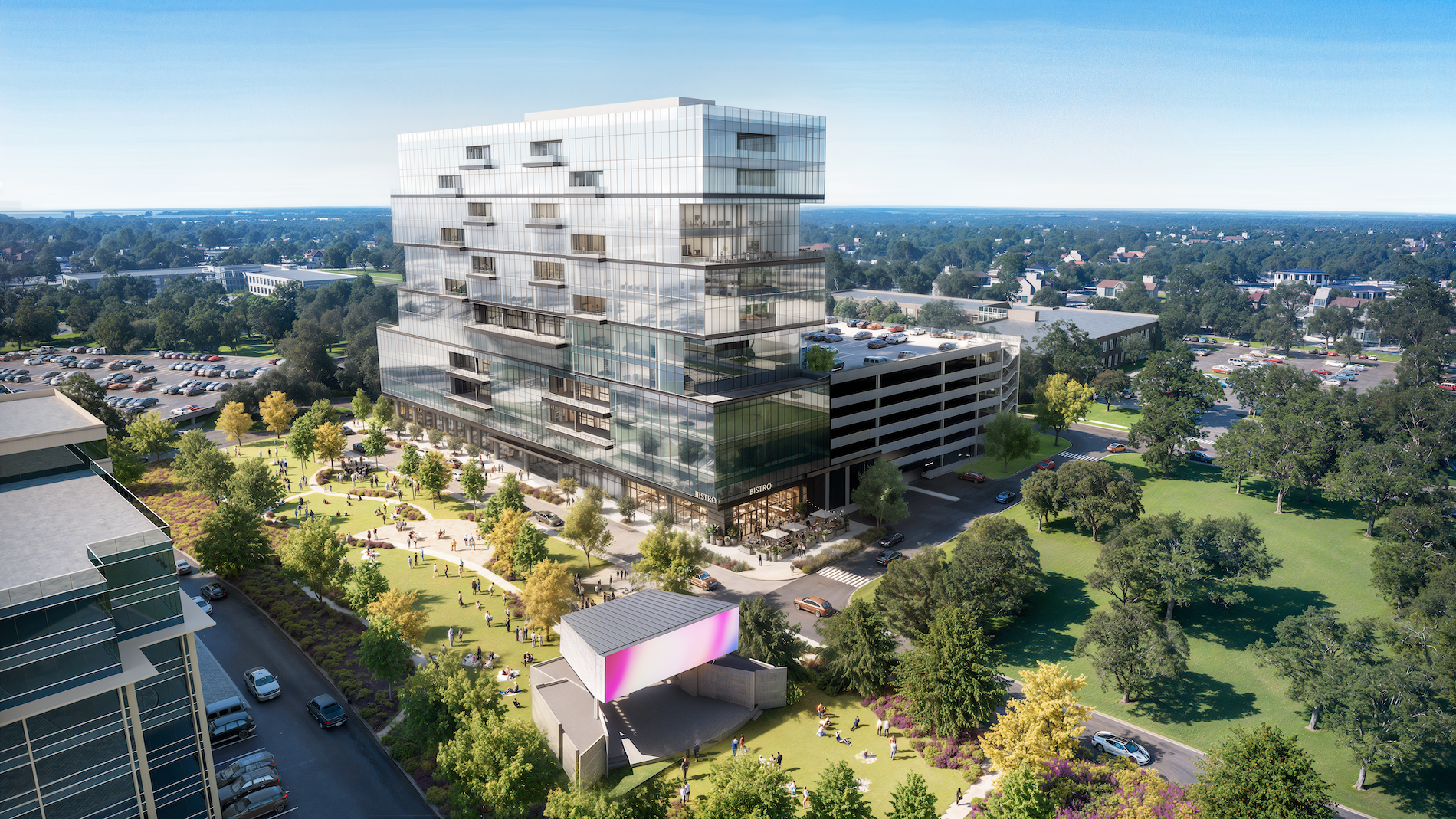
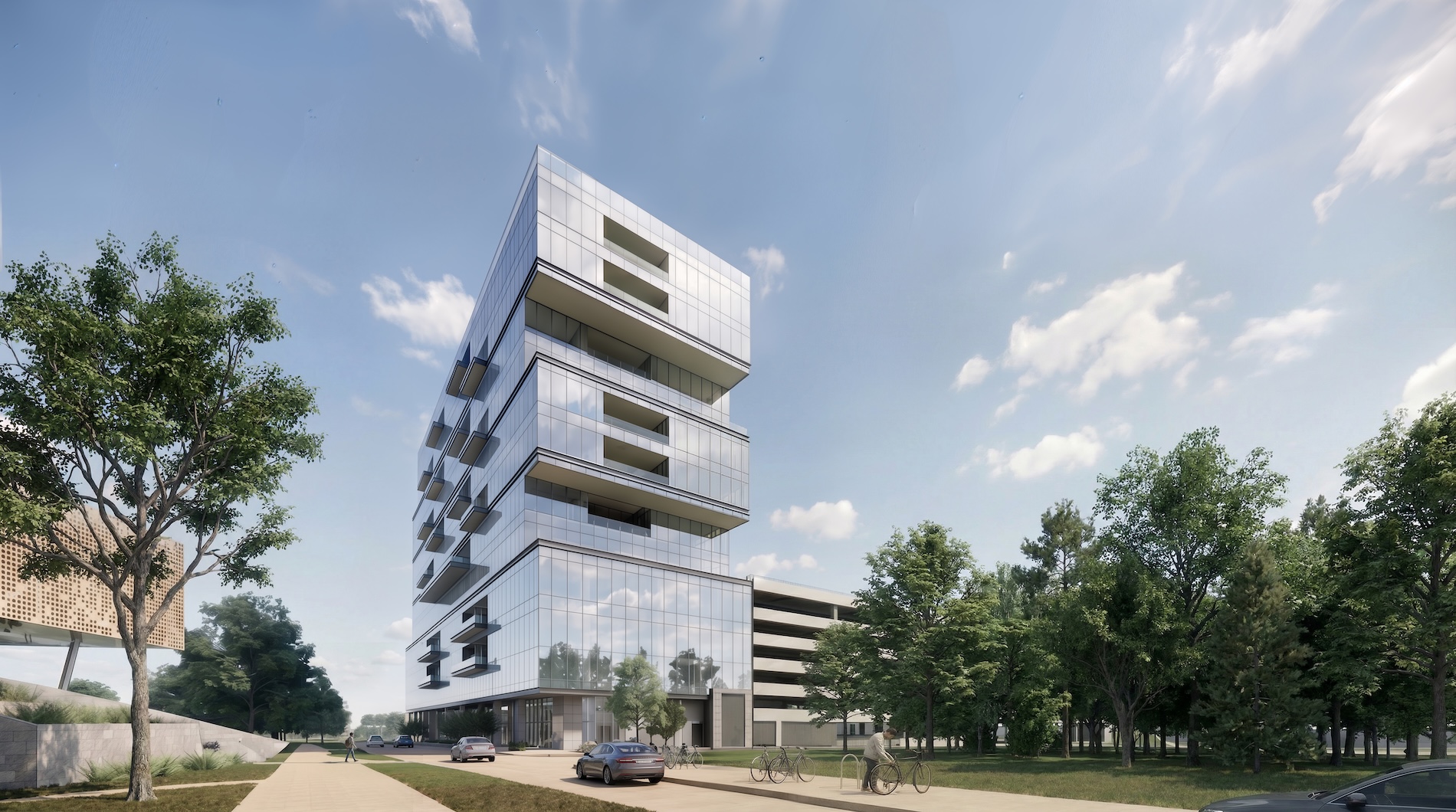
Both paths come with access to everything on campus: Kaleidoscope Park, walkable dining, the HALL Park Hotel, more than 12,000 square feet of fitness centers, three miles of trails, and more than 200 works of public art. Next up is The Terraces HALL Park, a 10-story office tower with 31 designer-curated spec suites, each with a private terrace, expected to deliver in 2028. You can see what else is planned for the campus in The Future of HALL Park.
Matching Your Lease Strategy to Your Business Needs in DFW
Spec suites and traditional leases solve different problems. If speed, cost predictability, and lease flexibility top your list, a spec suite in a well-located Class A building is the practical choice. If full design control is non-negotiable, a traditional build-out backed by an accelerated design program gets you there.
Both options are viable in today’s DFW market, but the flight to quality means the building and campus around you matter more than ever. HALL Park’s leasing team can walk you through both models and help you find the right fit. Explore what the HALL Park expansion means for future tenants or contact the team directly to schedule a tour.
Scroll down for more happenings at HALL Park


Join Our HALL Park Community
Inspired Living in the Heart of Frisco



follow us for the latest
Updates to Our Growing Community


